


Gold plating is a galvanic process that consists of coating a metal part with a thin layer of electrodeposited gold. This finish is widely used when the goal is to combine aesthetic prestige, oxidation resistance and high conductivity.

Types of Gold Plating
At Quimarte, we perform three variants of gold plating:

- Bright Gold Plating
Finish with a high level of gloss, mirror-like appearance and intense golden tone.
Typical applications: decorative pieces, lighting, furniture details, hardware and visible accessories.

- Satin Gold Plating
Smooth finish with diffused shine and a more discreet appearance, giving a modern and sophisticated touch.
Aplicações comuns: interior environments, contemporary design.
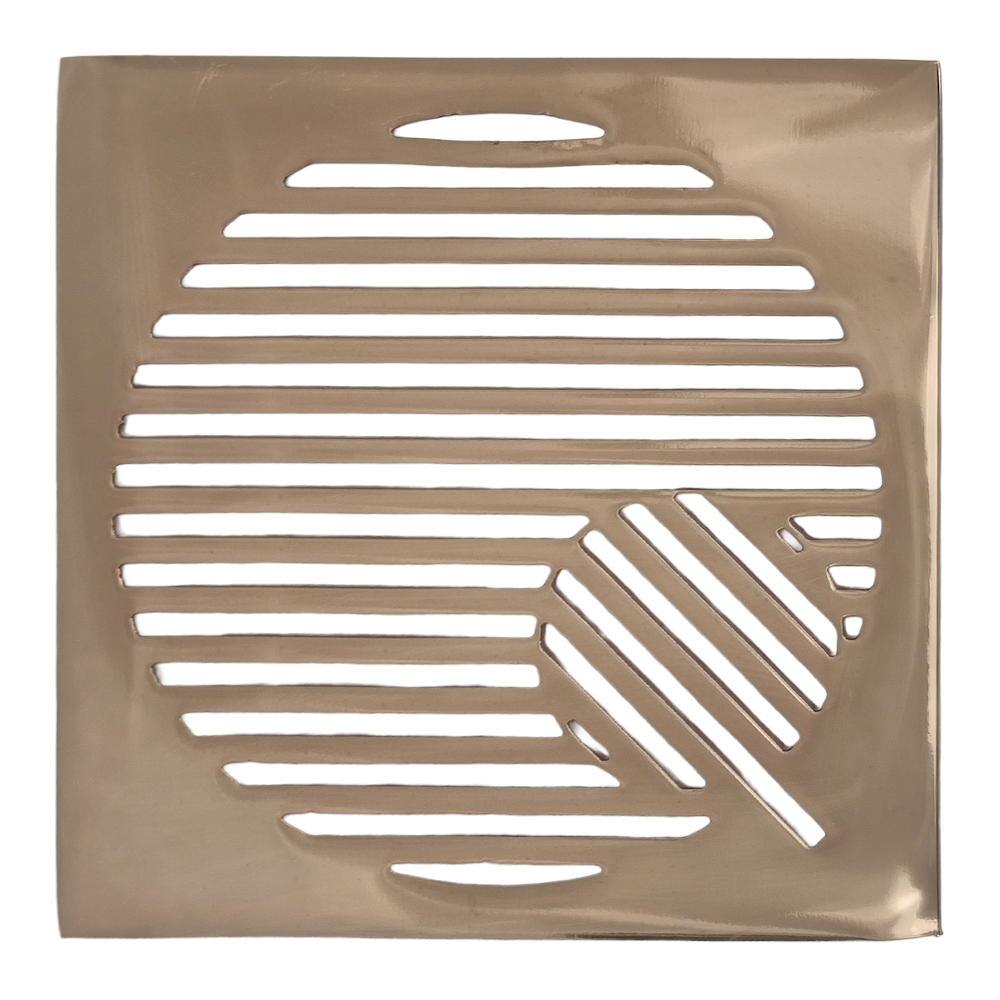
- Rose Gold Plating
Gold plating variant with a pinkish tone, obtained through specific gold alloys with other metals (usually copper). It is a highly valued aesthetic option in interior design and luxury items.
Aplicações comuns: lighting fixtures, modern hardware, exclusive pieces, premium furniture or decorative details.
Advantages of Gold Plating
- Corrosion and wear resistance
- High surface hardness
- Aesthetic finish
- Low chemical reactivity
- Excellent electrical conductivity
Perfume Caps
Promotional Items
Fashion Accessories
Decorations
Lighting Fixtures
Interior Parts
Metal Caps
Trophies and Medals
Antique Objects
Hotels
Frequently Asked Questions
Yes. The deposited layer consists of pure gold or noble alloys, applied in very thin thicknesses. The process is strictly controlled, ensuring both the appearance and the real properties of gold.
Bright gold plating has a mirror-like, highly reflective finish; satin gold plating is matte and discreet, a result achieved through an intermediate deposit. Both protect the part in a similar way.
Gold is naturally resistant to oxidation and corrosion; however, the resistance is limited due to the very thin layer that is deposited.
Metals such as zamak, brass, copper and steel are commonly used as a base, but they require intermediate layers such as nickel.
It can be used for both. However, Quimarte limits its application to decorative parts, where it is valued both for its appearance and for the durability provided by the deposited layer.