


Chrome plating is an electroplating process that deposits a layer of chromium onto metal surfaces, with the purpose of improving resistance to corrosion, wear and friction, while also providing a decorative finish with high aesthetic value.

Types of Chrome Plating
At Quimarte, we carry out two types of chrome plating: bright, with a mirror-like and highly reflective appearance, and satin, with a matte and elegant finish. Both are applied with technical precision and strict quality control, in accordance with the standards required by sectors such as automotive, decoration, metal furniture, sanitary products and industry.

- Bright Chrome Plating
Bright chrome plating provides a mirror-like, highly reflective finish with a cool and modern appearance. It is ideal for decorative and functional parts that require a premium and durable metallic look.
Typical applications: display stands, promotional items, metal furniture.
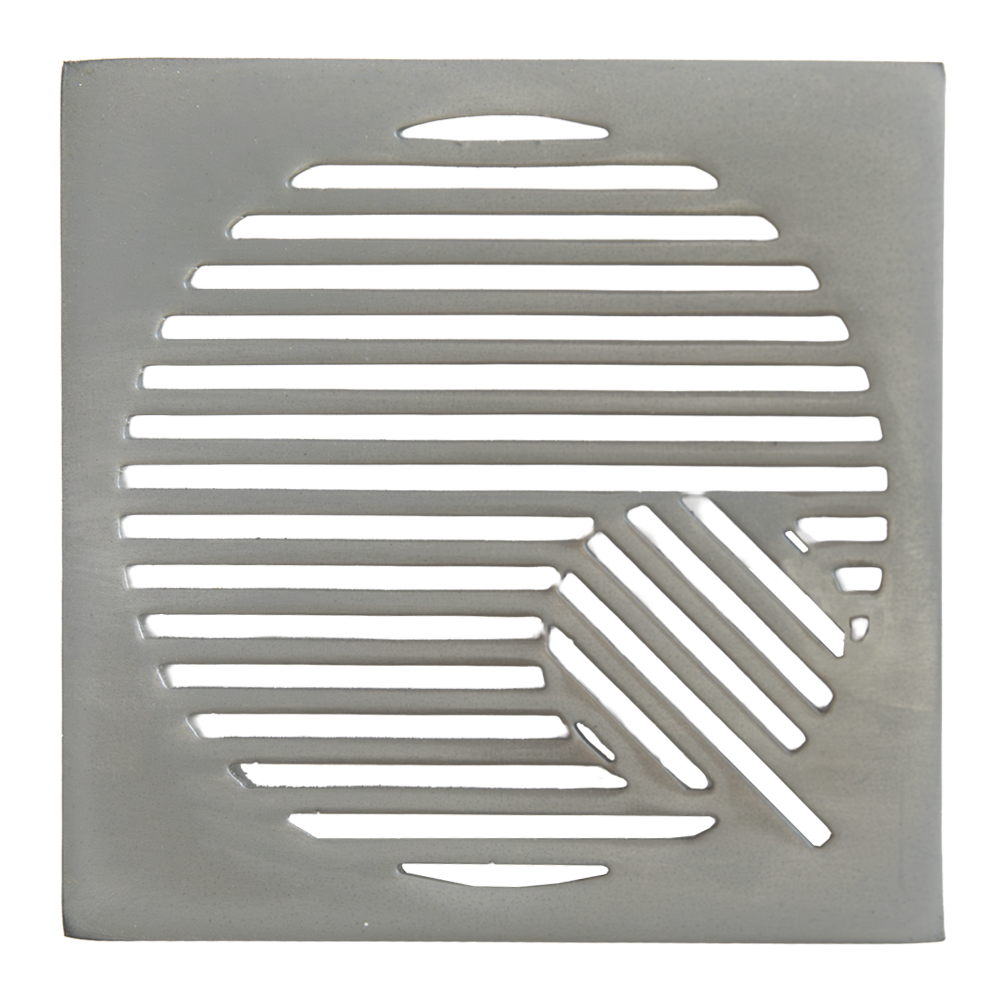
- Satin Chrome Plating
Satin chrome plating has a matte and smooth finish, with a soft, satin-like and discreet appearance. It is widely used in modern and sophisticated environments, offering the same protection as bright chrome plating but with a more subtle look.
Aplicações comuns: metal caps, hardware, interior decorative parts.
Advantages of Chrome Plating
- Corrosion and wear resistance
- Increased mechanical durability
- High surface hardness
- Aesthetic finish
Furniture and Display Stands
Metal Caps
Promotional Items
Perfume Caps
Sanitary Parts
Taps
Accessories
Decorations
Lighting Fixtures
Interior Parts
Trim Profiles
Mirrors
Handles
Frequently Asked Questions
Nickel plating aims to enhance the physical, chemical and aesthetic properties of the base material, which may be zamak, steel, copper or brass. Chrome plating, on the other hand, although resulting in a thin layer, provides an extremely hard and wear-resistant surface, along with high aesthetic shine and superior corrosion protection. Chrome plating is applied over a prior layer of nickel, thus combining the advantages of both processes.
Yes. When properly applied over a nickel base, chrome plating provides good resistance to oxidation.
With intensive use, the chromium layer may experience surface wear. However, our process is optimised to maximise durability, and the application of base layers reinforces surface protection.
The chromium layer, although very thin (fractions of a micron), offers high resistance. Its performance is influenced both by the final layer and by the underlying base layers applied.